
Lawn Care Services in Richmond
Weekly and Biweekly Mowing
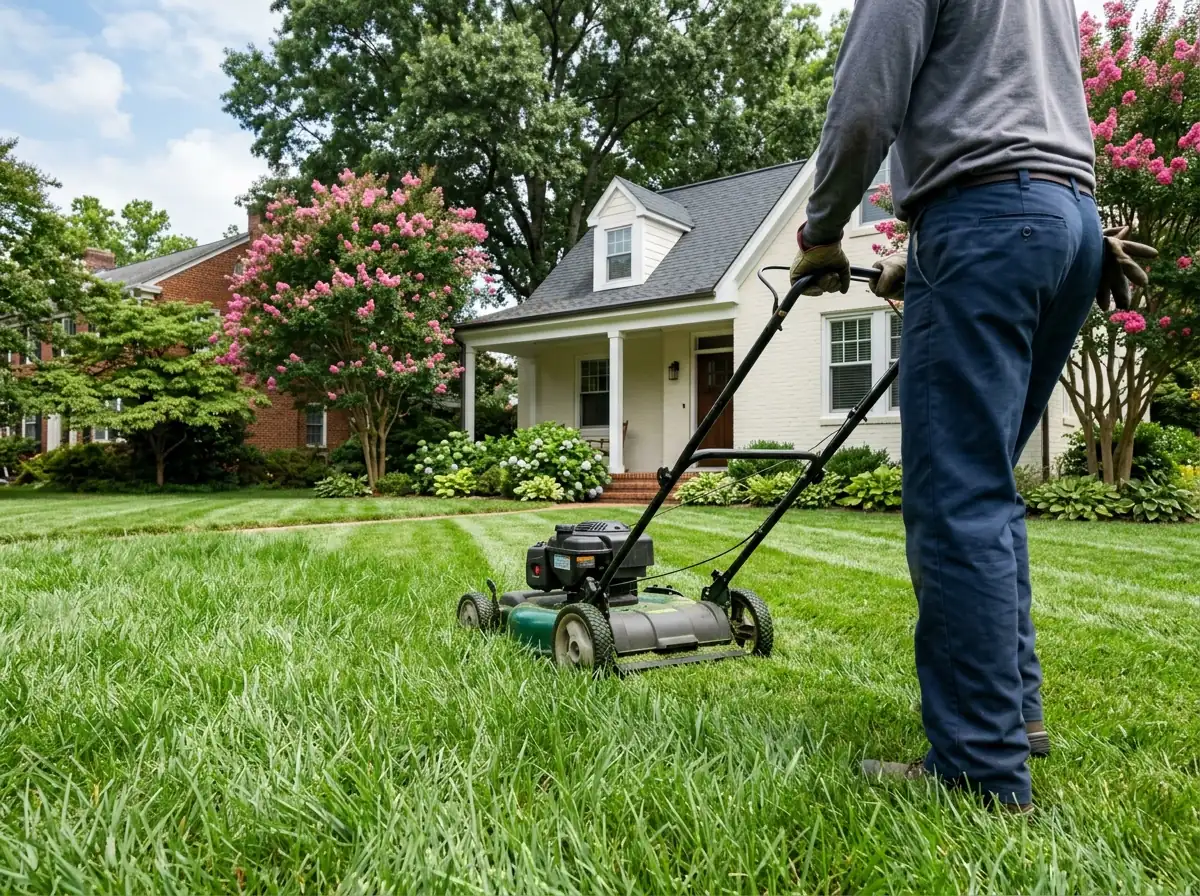
Start with mowing height. Virginia Cooperative Extension recommends 3 inches, and the one-third rule means cutting when the grass reaches about 4.5. Sharp blades matter too: a dull blade tears the tips, which turn brown and give disease a way in.
Fertilizing Programs
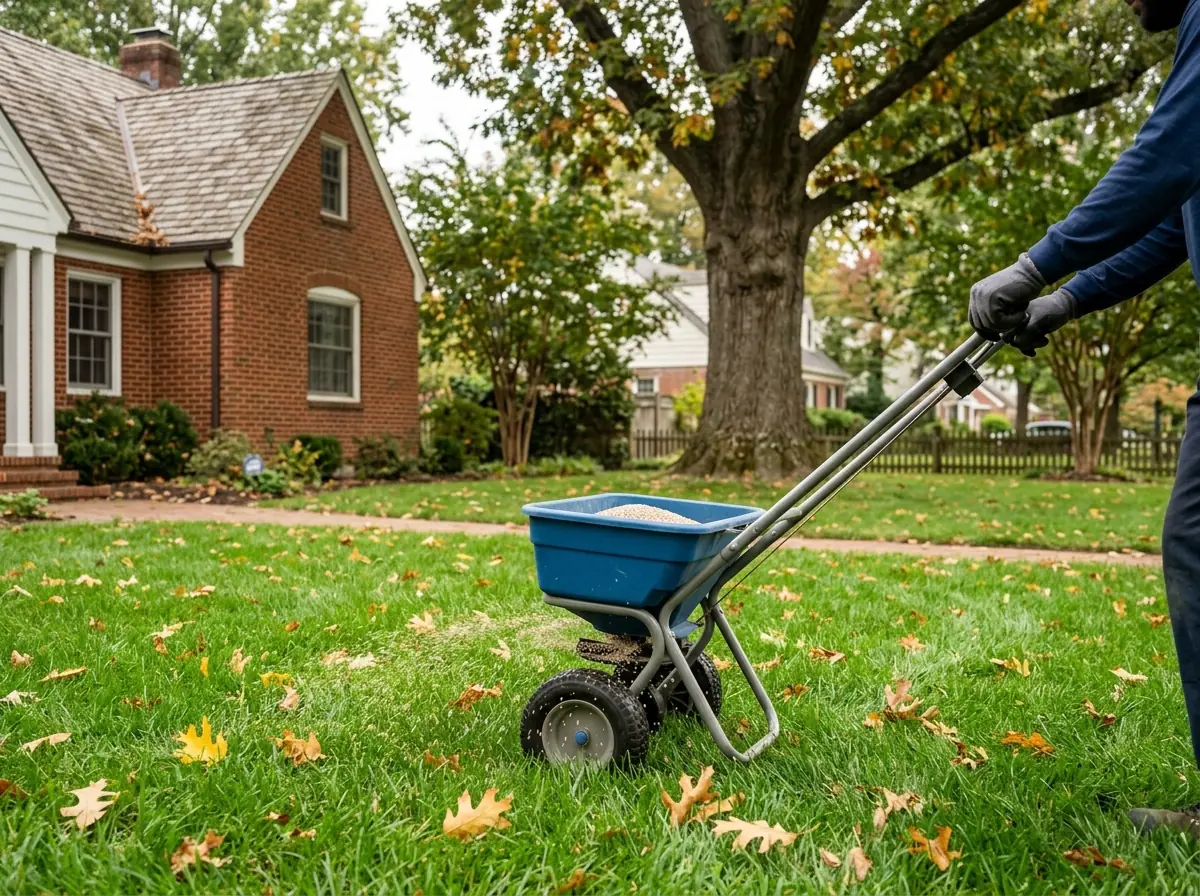
Virginia Cooperative Extension teaches the "SON" rule for cool-season lawns: nitrogen goes down in September, October and November, when fescue is building roots. Spring is the second-best time and should be light. Its calendar shows no nitrogen at all from June through August. Base the rates on a soil test (see below), not on a standard bag schedule. In Virginia, a company that applies fertilizer for hire has to employ or retain a state-certified fertilizer applicator and follow nutrient management standards, and certified applicators are tested on keeping product off driveways, walks and other paved surfaces.
Weed Control
Crabgrass is the summer weed most fescue lawns fight, and it's controlled before it sprouts. Extension's cue is simple: have the pre-emergent down when forsythia starts to drop its blooms, usually in March or April, and early is better than late. Broadleaf weeds like dandelion and clover get spot treatments rather than blanket spraying. Timing matters in fall: pre-emergent products stop grass seed from germinating too, so they can't go down before overseeding. Anyone applying herbicides or other pesticides for pay in Virginia needs a commercial applicator or registered technician certification from the state, renewed every two years. More on timing and products in our crabgrass control guide.
Edging, Trimming and Cleanup
A mowing visit should include string-trimming along fences and beds, a hard edge along walks and the driveway, and clippings blown off paved surfaces and back onto the lawn, not into the street. Clippings left on the lawn are fine. They break down quickly and return nitrogen to the soil.
Soil Testing and Lime
A soil test is the cheapest part of a lawn program. The Virginia Tech Soil Testing Lab's routine test costs $10, submitted online, with the report emailed back. The red clay soils on the Piedmont side of Richmond are strongly acidic, so lime and fertilizer rates should come from the report, not from a standard program. Ask any service that sells fertilizer rounds whether they're based on a test of your lawn.
Fall Leaf Mulching
In fall, a mowing visit can double as leaf control. Virginia Cooperative Extension says chopping leaves with the mower during regular mowing doesn't harm turf, and up to about 6 inches of leaves can be mulched at a time. Ask whether the service mulches leaves in on its regular visits or charges a separate cleanup.
Aeration and Overseeding
Compacted clay and thin summer-damaged fescue get core aeration and overseeding in early fall. That's its own service with its own timing; see lawn aeration and overseeding.
Why Richmond homeowners call Richmond Elite Landscaping
- Free on-site estimate
- Scope, materials and price in writing before work starts
- Utility lines marked through VA 811 before digging
- One local landscaping contractor, not a call list
- No charge to homeowners for the referral
A Month-by-Month Lawn Care Schedule for Richmond
Tall fescue in Richmond runs on a fall-first calendar, based on Virginia Cooperative Extension's guidance for cool-season lawns.
February to March
Take a soil test, sharpen mower blades, and get crabgrass pre-emergent down by the time forsythia finishes blooming.April to May
First mowings at 3 inches, a light feeding if the soil test calls for it, spot-treat broadleaf weeds.June to August
Keep mowing high and skip nitrogen. Extension puts a lawn's need at about 1 inch of water a week from rain or irrigation, applied deeply and early in the morning rather than in daily sprinkles.September to November
Core aerate and overseed thin areas in late August or September, then fertilize through the fall. This is the main feeding window.December
Keep leaves off the grass and mow until growth stops. See yard cleanup and leaf removal.
Lawn Care Prices and What a Plan Should Include
HomeGuide's national range for mowing, quoted in the FAQ above, can also be expressed as $40 to $80 an hour. Fertilizing, weed control and aeration are usually priced as separate visits; HomeGuide's national average for a lawn aeration visit is $100 to $300. A per-visit price is easier to compare than a monthly figure, because it shows what each visit actually includes.
When you compare quotes, ask each company:
Visit frequency
Weekly all season, or biweekly in summer? What happens after heavy rain?What's in a mowing visit
Trimming, edging and blowing included, or extra?Mowing height
The answer for tall fescue should be around 3 inches.Products and timing
Which fertilizer rounds and weed treatments, in which months, and whether they're based on a soil test.Certification
The name and number of their Virginia-certified fertilizer applicator, and their pesticide applicator certification.