
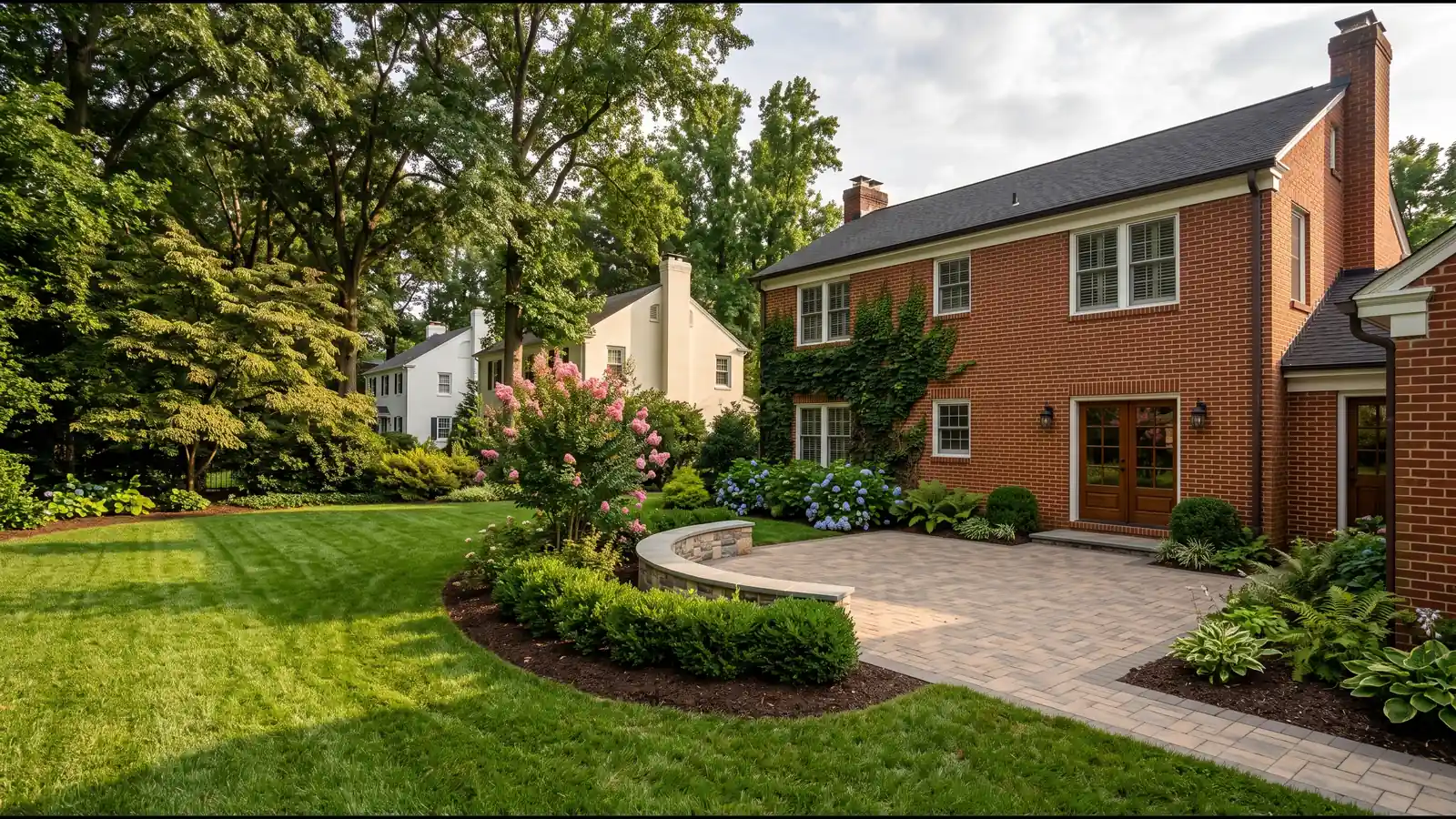
What Counts as a Virginia Native Plant
A plant is generally called native in North America if it grew here before European settlement. The Plant RVA Natives campaign uses the Flora of Virginia to decide which species are native to the Capital Region. Its guide, Native Plants for Virginia's Capital Region, covers the City of Richmond and the counties around it. It doesn't claim to list every native. It picks plants that are attractive, easy to find, easy to maintain and useful to wildlife.
Extension adds two cautions. A plant native to the region won't necessarily grow on a disturbed home site with compacted fill soil. And it's best to buy local ecotypes, plants grown from stock within about 100 to 200 miles.
The guide, citing entomologist Douglas Tallamy, says native oaks support 532 species of native caterpillars, against one for non-native butterfly bush. Caterpillars are the main food for the nestlings of 96% of bird species.
Richmond Sits in Two Native Plant Regions
Richmond sits on the Fall Line, so the Capital Region includes parts of the Northern Coastal Plain and of the Northern and Southern Piedmont along the James River. Extension notes that the state publishes separate native plant brochures for the Coastal, Piedmont and Mountain areas. On the Piedmont side the subsoil is often red clay; on the Coastal Plain side it's sandier.
The guide rates light on a simple scale, and that's the first thing to check before choosing:
Full sun
6 or more hours of sun a day.Part shade
2 to 6 hours.Full shade
2 hours or less.
Virginia Native Trees for Richmond Yards
White Oak
Full sun, moist to dry soils, 72 to 100 feet tall. The guide calls it slow-growing and says it lives up to 600 years. A tree for a big lot.
Eastern Redbud
Part shade to shade, 15 to 35 feet, and it tolerates clay soil. Note that the guide lists it for shade, not full sun.
Flowering Dogwood
Sun to shade, 15 to 20 feet, in rich, well-drained, acid soil. The guide lists it as a larval host to 115 native caterpillar species and says it needs watering in dry spells if planted in full sun.
River Birch and Downy Serviceberry
River birch takes sun to part shade and sandy or clay, moist, acidic soils, and grows 40 to 70 feet. Downy serviceberry, 25 to 30 feet, wants moist, well-drained acidic soil; the guide says at least 40 bird species eat serviceberry fruit.
Native Shrubs for Richmond
Virginia Sweetspire
Sun to part shade, 3 to 4 feet, in average to wet soil. The guide says it can grow in swamps and other poorly drained spots, which makes it a good fit for a soggy corner.
Northern Spicebush
Full sun to full shade, 6 to 12 feet, in moist, well-drained soil. The guide adds: "Deer avoid this shrub." More deer-tolerant choices are on our deer-resistant plants page.
Winterberry
Sun to part shade, 3 to 12 feet, and it takes dry to wet, acidic soils and tolerates clay.
Native Perennials, Grasses, Ferns and Vines
Perennials for Sun
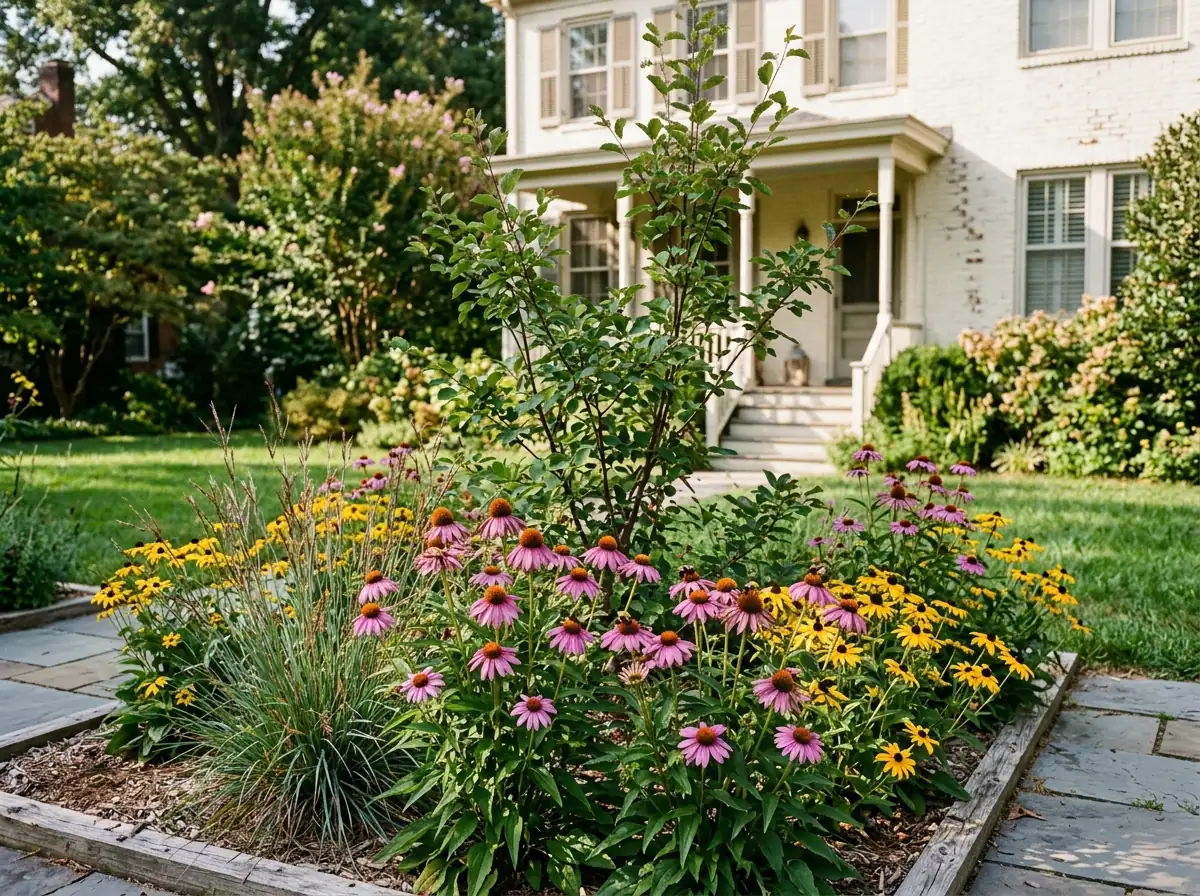
Butterfly-weed and swamp milkweed both need full sun. Butterfly-weed prefers dry to moist soil, swamp milkweed moist to wet. The guide says to avoid tropical milkweed, a non-native species. Wild columbine is a part-shade choice for sandy, well-drained soil.
Grasses and Sedges
Little bluestem grows 1 to 4 feet in sun to light shade on well-drained, poor soil. Switchgrass takes dry to moist sandy, clay or loam soil, and the guide says "poor drainage is OK." Pennsylvania sedge, 6 to 12 inches, is the guide's pick for "excellent groundcover for dry shade."
Ferns and Vines
Christmas fern grows in part to full shade and tolerates drought, but the guide says it doesn't tolerate standing water. Coral honeysuckle climbs 3 to 20 feet, blooms best in full sun and adapts to many soils. Carolina jessamine is highly deer resistant, but the guide warns that all parts of the plant are toxic.
Native Plants for Wet Clay and Rain Gardens
The Plant RVA Natives guide describes a rain garden as "a temporary puddle with plants": a shallow dip 6 to 8 inches deep that holds stormwater for about 48 hours. It has three planting zones, the wet bottom, the middle and the drier upper edge.
Extension's list of natives for rain gardens includes flag iris, joe pye weed, yellow wild indigo, garden phlox, swamp rosemallow, buttonbush and pepperbush. From the guide, cardinal flower grows in moist to wet sandy and clay soils but isn't drought tolerant, so it belongs in the low zone. Winterberry and switchgrass both tolerate clay, and sweetspire and switchgrass handle poor drainage. If water stands for more than two days, Extension says to look at improving how it soaks in. That's a drainage question, covered on our drainage and French drains page.
Native Swaps for Invasive Plants
Several plants long sold for yards are now on the guide's list of invasives of particular concern. It suggests native replacements:
Callery (Bradford) pear
Serviceberries, pawpaw, redbud, flowering dogwood, common persimmon or black cherry.English ivy
Wild ginger, crossvine, partridge-berry, Virginia-creeper or golden ragwort.Wintercreeper
Wild ginger, crossvine, Carolina jessamine or coral honeysuckle.Chinese silvergrass (Miscanthus)
Hair-awn muhly or switchgrass.Burning bush
The Piedmont Master Gardeners, an Extension volunteer group, suggest red or black chokeberry, Virginia sweetspire, highbush blueberry, mapleleaf viburnum, fragrant sumac or strawberry shrub.
The guide also names nandina and barberry among invasives to control or remove. From January 2027, Virginia law requires retailers selling plants on the invasive list to post signs saying so.
Planting and First-Year Care for Natives
Virginia Cooperative Extension's advice on establishing natives:
The first three weeks
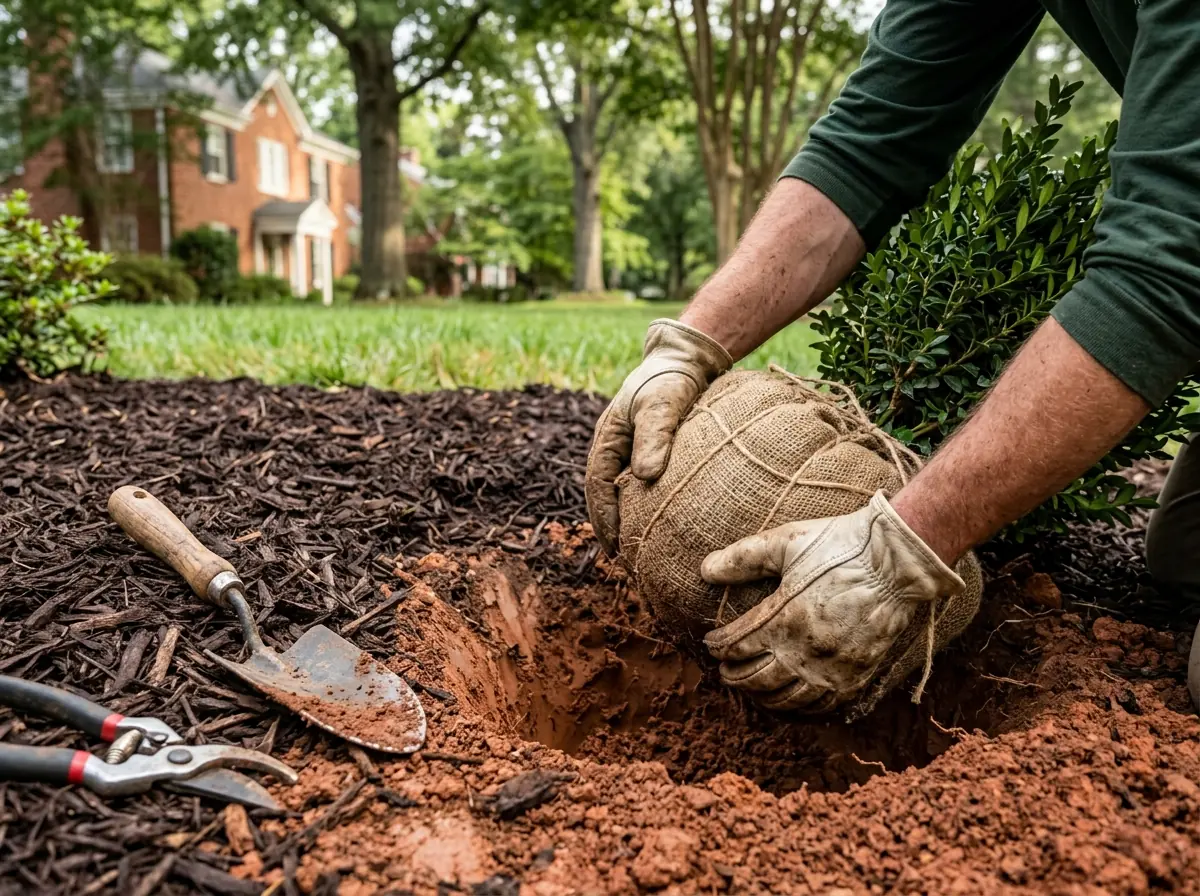
Right after planting and for three weeks after is the most critical watering period.Check before watering
Feel the soil about an inch down. Water once a week without rain, or every 2 to 3 days in very sandy soil. Overwatering kills natives too, which matters in clay.Once established
Most natives don't need regular watering. In long dry spells, give about an inch a week.Fertilizer
Natives generally don't need fertilizer or compost, and only a soil test can tell you if they do.Mulch
1 to 2 inches around perennials and 2 to 4 inches around shrubs and trees, kept off the stems.
For what Richmond's zone and frost dates mean for planting, see what planting zone Richmond is in.
Why Richmond homeowners call Richmond Elite Landscaping
- Free on-site estimate
- Scope, materials and price in writing before work starts
- Utility lines marked through VA 811 before digging
- One local landscaping contractor, not a call list
- No charge to homeowners for the referral
Native Planting Help in Richmond
We pass your request to one independent local contractor, who visits, quotes and does the work.