
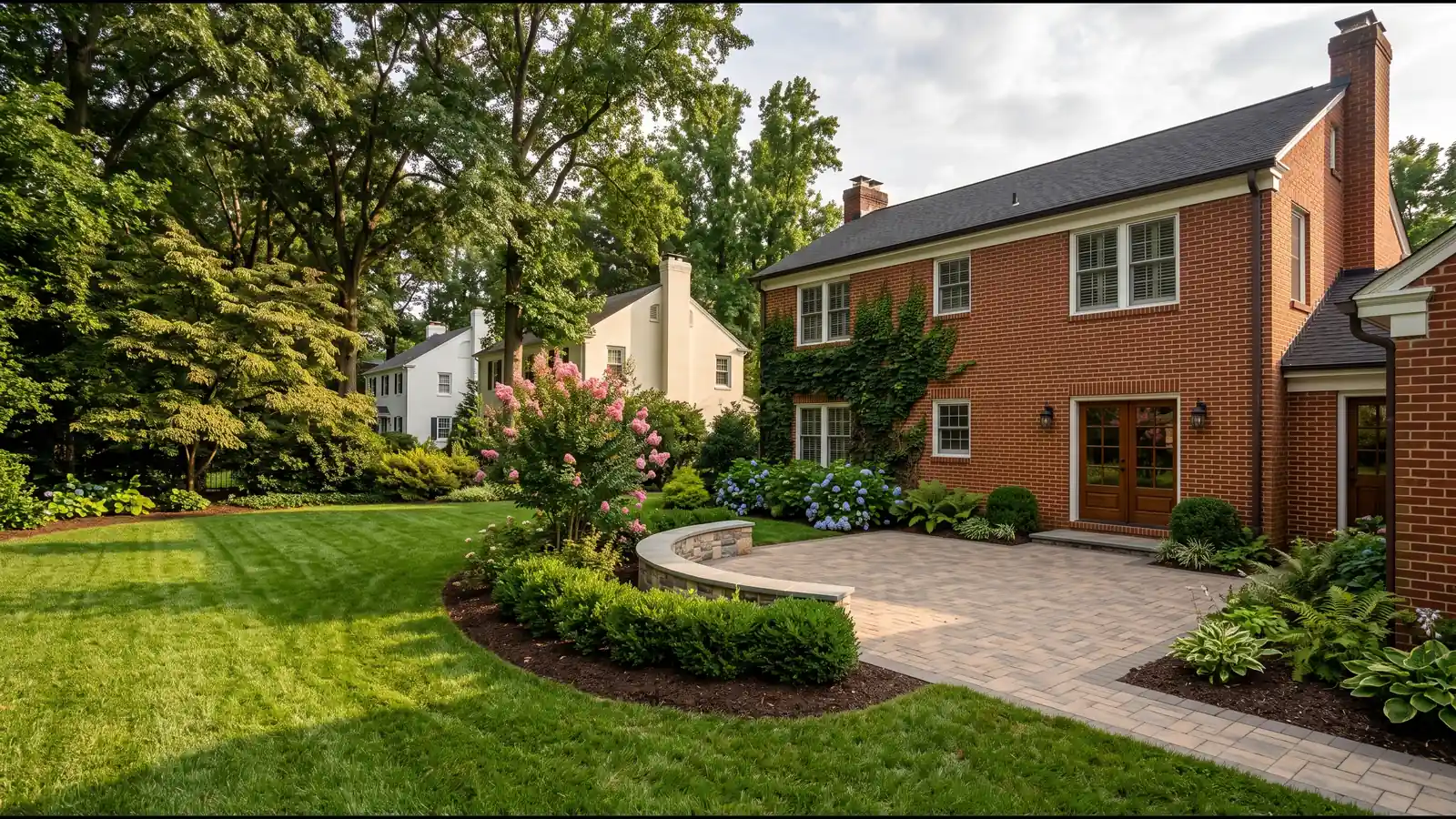
Richmond Planting Zone: 7a or 7b?
The USDA Plant Hardiness Zone Map was redrawn in November 2023, its first update since 2012. The new map uses weather from 1991 to 2020 and puts all of Richmond in zone 7b. The 2012 map, built on 1976 to 2005 data, split the city: the western part fell in 7a and the eastern part in 7b. That's why older plant books, forum posts and nursery tags still say "7a" for some Richmond ZIP codes.
About half the country moved up a half zone in 2023. USDA says most of that shift comes from the newer averaging period, with the rest from better mapping and more weather stations, and that zone changes "are not reliable evidence" of global warming. USDA's own advice for anyone whose zone changed: it "does not mean you should start removing plants from your garden."
What Zone 7b Means for Richmond Plants
A hardiness zone is the average of the coldest temperature reached each winter over a 30-year period. Zones are 10 °F bands, and each one is split into an "a" half and a warmer "b" half 5 °F apart. Zone 7b is 5 to 10 °F. USDA stresses that the zone is not the coldest it has ever been or ever will be.
For comparison, the normal January low at Richmond International Airport is 28.8 °F, and the airport averages 73.5 nights a year at or below freezing. So a plant rated to zone 7 or colder should come through an ordinary Richmond winter. Because the zone is an average and not the coldest it will ever get, a plant rated only to zone 8 is exposed in any winter colder than average.
Richmond Frost Dates
Frost dates matter more than the zone for anything tender. These come from NOAA's 1991-2020 normals for Richmond International Airport, which sits east of downtown.
Last spring freeze
The median date is April 3. In about 1 year in 10 there's still a freeze after April 18, and in about 1 year in 10 the last one comes before March 19.First fall freeze
The median is November 4. About 1 year in 10 it arrives by October 23, and about 1 year in 10 it holds off until after November 19.Extension's zone 7b range
Virginia Cooperative Extension's planting guide gives zone 7b an average last spring frost of April 5 to 15 and first fall frost of October 25 to November 5. Its earliest spring dates for setting out tomato and pepper transplants in zone 7b are April 10.
In practice, April 3 is a coin flip, not a safe date. Hanging baskets, summer annuals and vegetable transplants are safer after the middle of April, and later still in a low spot where cold air settles.
Summer Heat: What the Zone Map Leaves Out
USDA is blunt about the map's limits. Wind, soil type, soil moisture, humidity, pollution, snow and winter sunshine all affect whether a plant survives, and "warm season heat and moisture balance are particularly important." None of that is in the zone number.
Heat is Richmond's hard season. The normal July high at the airport is 89.5 °F, and the airport averages 44.9 days a year at 90 °F or above. A plant that's perfectly hardy here in January can still scorch, wilt or rot in a humid August. The American Horticultural Society publishes a separate heat zone map, based on the average number of days above 86 °F, to address this. It was built from 1974-1995 data and hasn't been updated since 1997, so treat a heat zone on a plant tag as a rough guide.
Heat also varies inside the city. On July 13, 2017, volunteer teams led by Science Museum of Virginia scientists, with NOAA funding, measured afternoon air temperatures across Richmond. They found differences of up to 16 °F between neighborhoods: when a heavily shaded street read 87 °F, a more built-up one could reach 103 °F. That was one summer afternoon, not a winter low, so it doesn't change the city's zone. But it does mean a bed against a south-facing wall or beside a wide driveway gets a hotter summer than the map suggests. USDA notes the same thing on a small scale: blacktop and concrete create heat islands, and low ground creates frost pockets, both too small to show on the map.
Richmond Soil Matters as Much as the Zone
The zone says nothing about soil, and Richmond has two kinds. The city sits on the Fall Line. West of it, Piedmont soils are strongly acid with red clay subsoils. East of it, Coastal Plain soils are sandier. The same shrub can drown in a clay hole in one neighborhood and dry out in sandy loam a few miles away.
Two habits help whichever side you're on. First, test before you plant or fertilize: the Virginia Tech Soil Testing Lab's routine test is $10 per sample. Second, read the tag for drainage and moisture needs as closely as the zone. A deep planting hole in clay holds water around the roots. How a planting hole should be dug and backfilled in clay is covered on our planting and garden beds page.
When to Plant in Richmond's Zone 7b
Trees and Shrubs
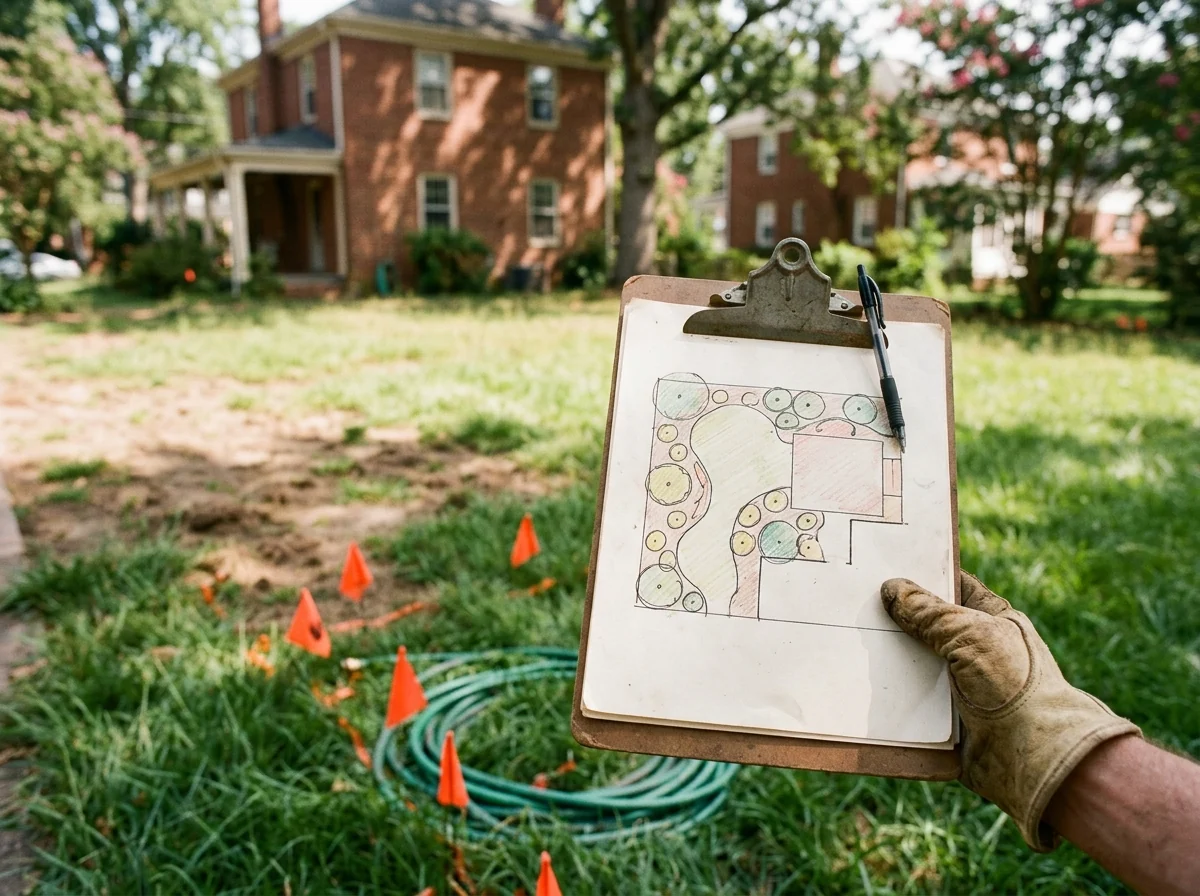
Virginia Cooperative Extension names spring and fall as the best times to plant container-grown shrubs. Container and balled-and-burlapped trees can go in whenever the ground isn't frozen, except in very hot weather. Extension also points out that plants set out in the dormant season, November through February, keep growing roots while the top waits for spring rain. For a Richmond yard, that makes October and November a good planting window: the heat has broken and the soil hasn't frozen.
Lawns
Cool-season grasses such as tall fescue are seeded from late summer to mid-fall, with September and October preferred. Seed sown in spring has only a few months to root before a Richmond July. Which seed to buy is on our best grass seed for Richmond page.
Annuals, Perennials and Vegetables
Tender annuals and summer vegetables go in after the frost dates above, from mid-April on. For plants native to the region, see Virginia native plants for Richmond yards for a starting list, and deer-resistant plants if deer visit your street.
Why Richmond homeowners call Richmond Elite Landscaping
- Free on-site estimate
- Scope, materials and price in writing before work starts
- Utility lines marked through VA 811 before digging
- One local landscaping contractor, not a call list
- No charge to homeowners for the referral
Planting Help in Richmond
We pass your request to one independent local landscaper, who looks at your sun, slope and soil on site, quotes and does the work.